



Management
Building Leaders Who Last: Creating a Successful Mentorship Program in Student Transportation
Discover five strategies for building an effective mentorship program to strengthen leadership development and support staff retention.
 MENU
MENU SEARCH
Discover five strategies for building an effective mentorship program to strengthen leadership development and support staff retention.

Consistency and structure are keys to mentorship program success.
School Bus Fleet
Weak leadership does not develop overnight. Weak leadership grows over time.
You see the signs when new supervisors struggle to gain confidence. You notice it when communication breaks down between field staff and management. You know it’s there when veteran employees decide to leave, taking years of institutional knowledge with them.
Too many transportation departments do not suffer from a people problem. They suffer from a people development problem.
Mentorship programs have always existed in transportation. Typically, someone new would be told to “learn by watching and listening.” Other departments would simply pair someone new with someone experienced and let it fly.
Some employees have excelled with that type of mentorship. A lot of employees have not.
When mentorship is informal, development will be inconsistent. Inconsistency in leadership translates to inconsistency in daily operations.
If we expect our employees to take leadership seriously, then we must take development seriously, too.
There is no better way to build leadership from within than through mentorship. When done correctly, mentorship develops future leaders who will maintain the program's legacy long after you are gone.
But what does “done correctly” look like?
An effective mentorship program cannot be based on availability or good intentions. It must be built on a structure.
First, define what quality leadership looks like in your department. Spend less time focusing on what leadership should look like in a perfect world and more time defining what supervisors do each day.
Once you have defined quality leadership, you can build your mentorship program around developing those skills. Whether it is communication, conflict resolution, decision making, performing management, or safety leadership, that is what your mentorship program should be developing.
Next, set clear expectations for both the mentor and mentee, covering:
Mentorship should not be optional. Structured mentorship should be part of how your department operates.
When expectations are unclear, participation will be inconsistent. When structure is established, employee development will become predictable.
Experience does not make someone a great mentor.
Too often, departments select mentors based on seniority or performance. While both of those are key factors to consider, they do not automatically equate to someone who will be a developer of people.
Before pairing someone as a mentor, they should understand how to coach. That includes asking powerful questions, listening with purpose, and guiding mentees to work through problems on their own. It also includes providing feedback that is clear, direct, and focused on solutions.
Feedback during a mentorship program should never be optional. Take the time to train your mentors on how to deliver impactful feedback.
A good mentor should also be able to facilitate structured conversations, identify areas of strength and knowledge gaps, assign development tasks, and follow up on accountability. Departments that train their mentors will have more consistency and effectiveness from their mentorship program.
I mentioned earlier that great mentorship pairs do not just happen. They must be created with intention.
When departments randomly pair mentors and mentees, they limit their mentees' growth.
Match mentors to future leaders based on communication style, leadership approach, operational strengths, and developmental needs.
Thoughtful pairing instills trust. Trust allows your mentee to be vulnerable and open to feedback, which is where development really happens.
Pairings should also be monitored. Not every pairing will work. If a pair realizes they are not getting traction, adjust the mentoring relationship early. Waiting too long can hinder development and cause the mentee to become discouraged.
One mistake departments make is allowing the mentorship program to focus solely on discussions.
All that talking will do nothing if mentees are not connected to real operations.
Leadership cannot be developed in a classroom. It develops when employees are placed in situations requiring them to lead.
During the mentorship program, assign mentees to lead meetings, respond to employee concerns, support day-to-day operations, and involve them in the decision-making process.
When these situations occur, there should be a structured debrief. What went well? What can be improved? How can you do this better next time? These are the types of conversations that will develop your future leaders.
That is not to say mentors should let mentees struggle. Mentors should lean in during these experiences. Provide guidance when necessary, but allow mentees to lead.
When mentors mentor with operations in mind, development becomes more valuable and measurable.
Allowing mentees to “wing it” during a mentorship program is a sure-fire way to receive mediocre results.
Departments should require mentees to meet specific milestones. These milestones should be based on performance and progression, not attendance.
Do they know how to lead a meeting? Can they clearly communicate with drivers and employees? Can they professionally handle conflict? Can they make sound decisions under pressure? Do they follow safety and operational procedures?
Good mentors will document conversations, note strengths and areas for improvement, and track completed assignments. Leadership should periodically review this information.
Expectations with goals create accountability. It also allows departments to improve their mentorship programs moving forward.
Many mentorship programs fail because of one common problem. But they each can be fixed by creating the right structure.
Every transportation leader has recruitment and retention on their mind.
The answer to both questions starts with development.
Employees are more likely to stay at an organization that allows them to grow. A structured mentorship program demonstrates that your department values its employees and wants to invest in their future.
That directly impacts employee engagement. When employees feel like your department has their back, they will work harder to show you they have yours. Expect employees to take more ownership of their job, support their team, and uphold high standards.
A mentorship program shifts the mindset from having a job to building a career.
Don’t Wait Until You Need Leaders. Build Your Leadership Pipeline Now
Every school district will experience leadership transitions. Whether it is from retirement, promotion, or unexpected vacancies, they are a natural part of student transportation.
What happens when your department is not prepared for these changes? Service can be interrupted, and stress levels will increase throughout your organization.
A mentorship program allows your department to create a leadership pipeline. A leadership pipeline allows you to proactively prepare employees to move into leadership roles. Instead of reacting to openings, your department can promote from within with confidence.
Building a leadership pipeline doesn’t just prepare you for internal changes, it also protects your department from unexpected changes. A leadership pipeline creates continuity, promotes safety, and preserves knowledge.
Build your leadership pipeline before your department needs it. Prepare leaders before they are required.
Do not treat mentorship like another initiative. Effective leadership development begins and ends with mentorship.
If your department wants consistent operations, it must have consistent leadership. If you want consistent leadership, you must invest in people development.
Investing in your employees requires structure, training, accountability, and leadership support.
When these parts are executed correctly, your mentorship program will benefit your employees and your department as a whole. Not only will your employees be empowered, but your performance will also improve.
Most important… when the time comes, your department will have developed leaders who are ready to lead.
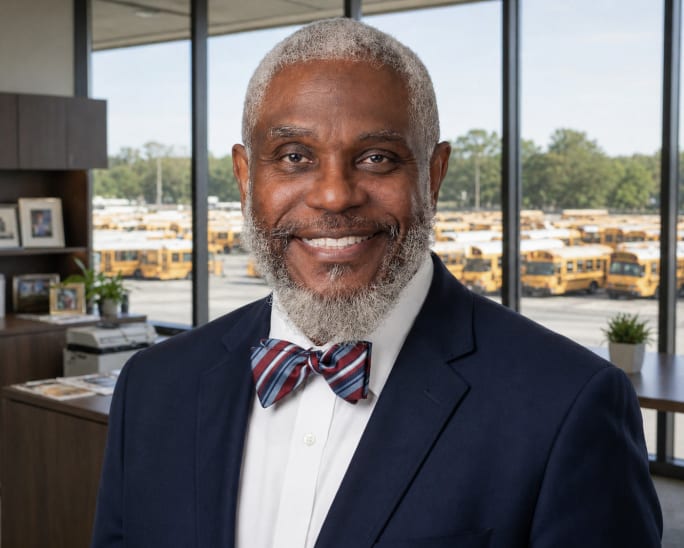
Bernando Brown
About the Author: Bernando C. Brown is the director of student transportation for DeKalb County School District in Georgia. He has held roles as a school bus driver, dispatcher, supervisor, and manager. Brown is a U.S. Army veteran and focuses on developing leadership systems that support safety, performance, and workforce development in pupil transportation.
Loading data...

Management
Discover five strategies for building an effective mentorship program to strengthen leadership development and support staff retention.

Special Needs Transportation
Small missteps in wheelchair securement can have serious consequences. Here are 32 tips from experts to reduce risk and increase student safety on the bus.

Management
Take the burden out of bidding. Cooperative contracts can save district transportation teams time, money, and hassle. Here’s how.

Management
Learn from school transportation leaders on how to develop bus drivers, monitors, and mechanics into future leaders through coaching and culture.
Safety
With student safety on the line, here’s a look at what’s working, what’s changing driver behavior, and what districts need to know when it comes to stop-arm programs.

Management
As we celebrate seven decades of industry coverage, let’s revisit historic milestones, timeless content, and examine the industry's progression from those who lived it.