


Related: Key Trends Shaping The Future of School Transportation: ACT Expo Analysis
You're On Your Own to Pick a Drivetrain [Op-Ed]
After years of federal pressure toward electric school buses, districts are suddenly being told to choose their own path. Let’s explore the risks, realities, and politics behind school bus drivetrain decisions.
by Steve Mitchell
May 20, 2026
School districts must rethink long-term fleet strategies as the EPA’s revised Clean School Bus Program expands eligibility for funding beyond electric buses.
Credit:
Josh Sorenson/School Bus Fleet
4 min to read
Growing up in East Texas, most of the big decisions got made for me. And, well, that was fine. I didn't have to think too hard, and for a while it felt like someone had the whole thing figured out. Then I got old enough to realize that when those decisions went sideways, I was still the one left sorting it out.
School district transportation directors are having that moment right now.
For years, while EVs have been in their growing years, governments have felt compelled to make drivetrain decisions. As if you didn’t know enough yourself. And, in an attempt to clearly protect the EV industry investments, EPA's Clean School Bus Program showed it had a preference with $5 billion of incentives. The 2022 and 2023 rounds went to zero-emission buses almost exclusively. So, for districts that wanted federal money, they had to start planning around EVs with vendors, charging infrastructure, fleet transition timelines, and the whole architecture. And, it didn’t matter if it wouldn’t work for them.
Then the 2024 rebate round was cancelled. More than $900 million in applications, no awards. The EPA, under the new administration, paused everything and started over.
I cover fleet strategy and OEM decisions for a living, and I watched districts scramble to trash or rebuild everything they had built. Some had already signed with manufacturers and hired people to run the program. One of the biggest names in electric school buses, Lion Electric, had received roughly $160 million in Clean School Bus Program funding by the time it filed for bankruptcy protection in late 2024. So, many of those buses were never delivered. Districts that had counted on them were left holding contracts, half-built charging infrastructure, and a question nobody had prepared them to answer.
And the 2026 revamp made the question harder.
When February came around, the EPA announced a restructured program that has approximately $2.3 billion to deploy. The big change is that eligible fuel types now include compressed natural gas, liquefied natural gas, propane, hydrogen, and advanced biofuels alongside electric. And, to help out, they removed the zero-emission mandate as a requirement. The Bipartisan Infrastructure Law still directs at least 50% of the funding toward zero-emission buses, but the other half is open. The best part is that districts have five fuel types to evaluate which one fits their routes, their infrastructure, their grid capacity, or their maintenance crews.
So, the final decision is left up to the transportation director and/or district leaders. And that decision will be different in Tuscaloosa compared to Seattle because there is no clear one-size-fits-all answer. The truth is that electric makes sense for shorter, predictable urban routes with available charging infrastructure and utility cooperation. If your district already runs propane and CNG, then it will be cheaper upfront and easier to maintain what you currently have. For everywhere except a few spots in California, hydrogen is still scarce and expensive at scale. And, if you bought diesels last year, biofuels are an excellent option.
The tradeoff, positive or negative, is that you don’t have the decision made for you. I suspect that many districts will appreciate that.
I make decisions for my 2-year-old daughter with varying degrees of success. A while back, I gave her eggs. Best available protein, solid nutritional logic, everything I'd read pointed the same direction. I didn't know she was allergic. Figured that out fast.
In many ways, the EPA was just as certain about electric school buses. The districts that built their fleet plans around that certainty are still sorting out what they actually know versus what they were told. For sure, the $2.3 billion is still there and the window to apply is open. But nobody is going to tell you which drivetrain is right for your district, your routes, your budget, and your mechanics.
The federal government handed the decision back to you. Honestly, it was always yours to make.

About the Author: Steve Mitchell is an automotive and fleet content writer at CBT News covering OEM strategy, EV adoption, and fleet operations. He writes at CreativeGuySteve.com.
This article was authored and edited according to School Bus Fleet editorial standards and style. Opinions expressed do not necessarily reflect that of SBF or Bobit Business Media.
Subscribe to Our Newsletter
More Alternative Fuels
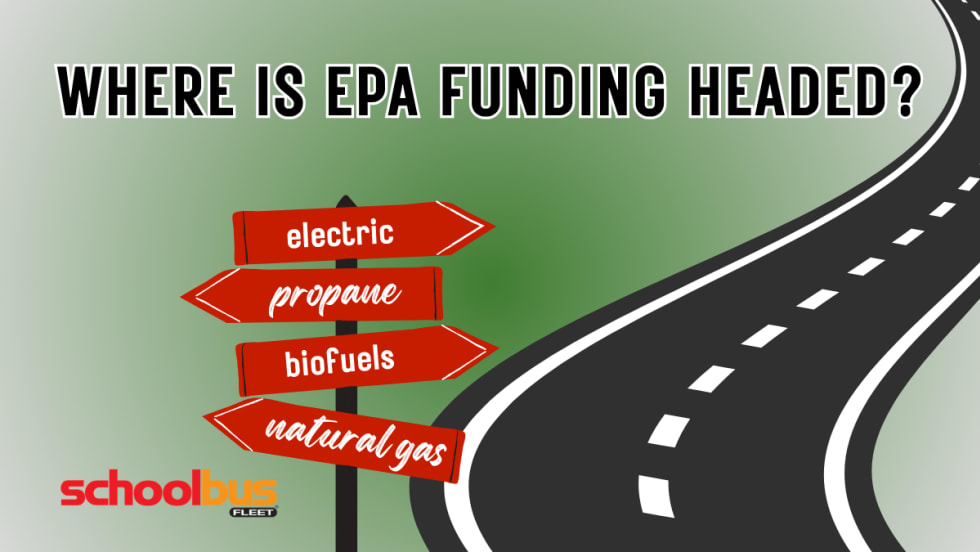
What the EPA’s Updated Clean School Bus Program Means for Fleet Electrification in 2026 and Beyond
A guide to the EPA’s evolving school bus grants, including how the Trump administration changed funding priorities and how school districts can prepare for future bus purchases.
Read More →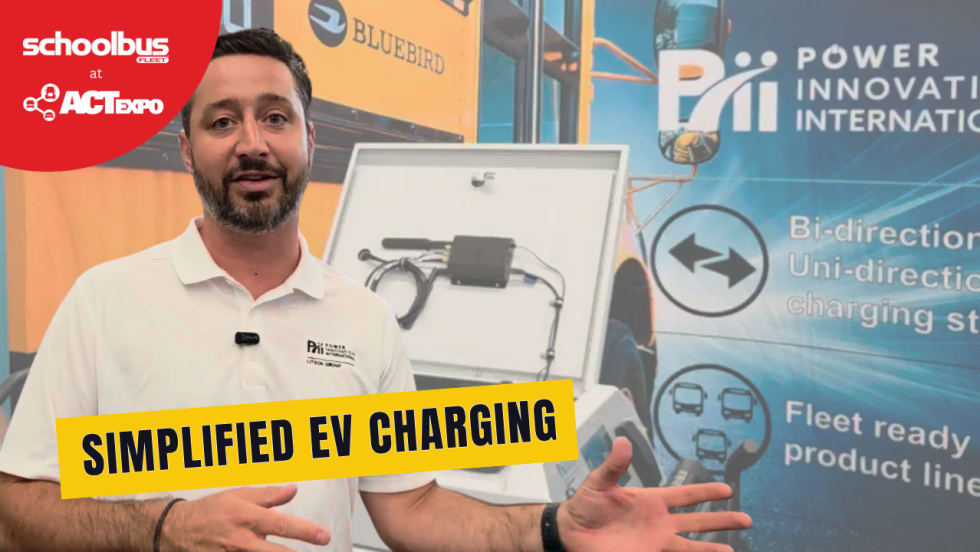
A Solution Helping School Buses Charge Without Major Infrastructure Upgrades
Power Innovations International dishes on its EV charging technology designed to reduce infrastructure barriers, improve reliability, and support V2G applications for school bus fleets.
Read More →
New Eagle Launches All-in-One EV Control Platform
The new OpenECU NX3 platform integrates charging and vehicle controls into a single platform, with support for megawatt charging and vehicle-to-grid technologies.
Read More →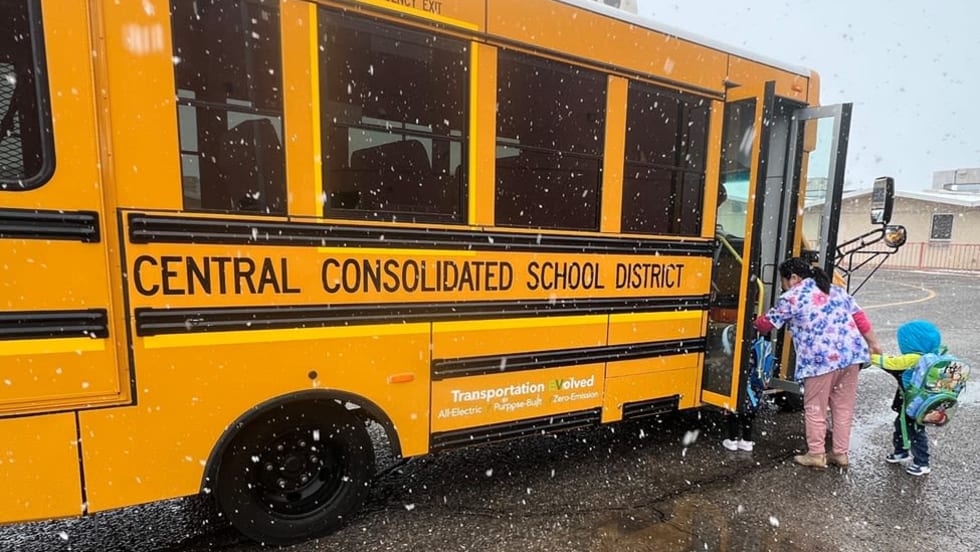
GreenPower Unveils New Heating Solution for Type A Bus
The all-electric bus manufacturer's new product aims to eliminate cold-cabin issues on its Nano BEAST zero-emission school buses operating in cold climates.
Read More →
Alt-Fuel Moves: Fleets Plug In for the Long Haul
School districts across the U.S. are moving electric school bus plans into operation, with new fleet deployments, charging infrastructure, and long-term electrification partnerships taking shape.
Read More →
The Achilles Heel of School Bus Electrification: BetterFleet’s Take
BetterFleet’s managing partner discusses AI-powered EV fleet management, vehicle-to-grid challenges, and the real challenges in bus electrification today, from ACT Expo.
Read More →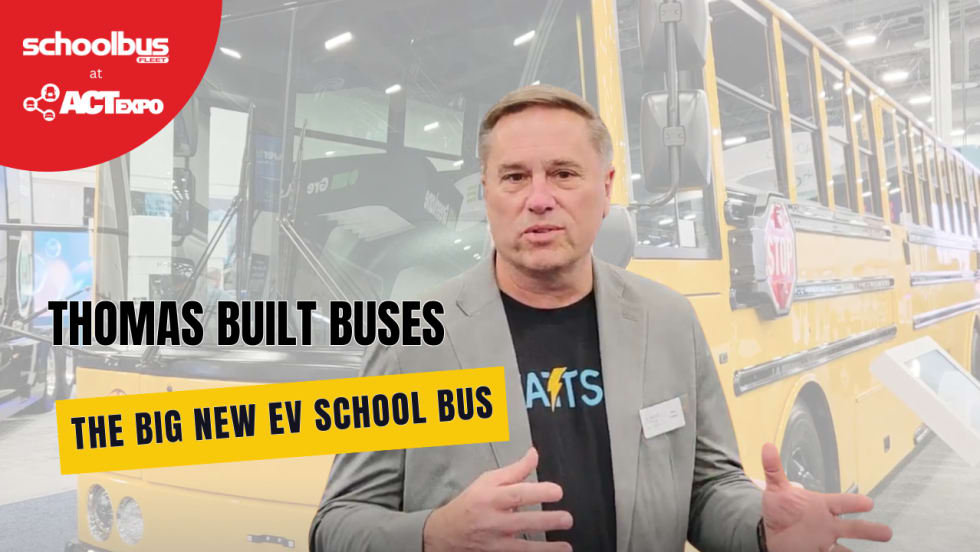
Wattson: Thomas Built’s Largest EV School Bus Yet
Check in with Mark Childers on the new Wattson Type D electric school bus, featuring faster charging, expanded passenger capacity, and advanced safety technology.
Read More →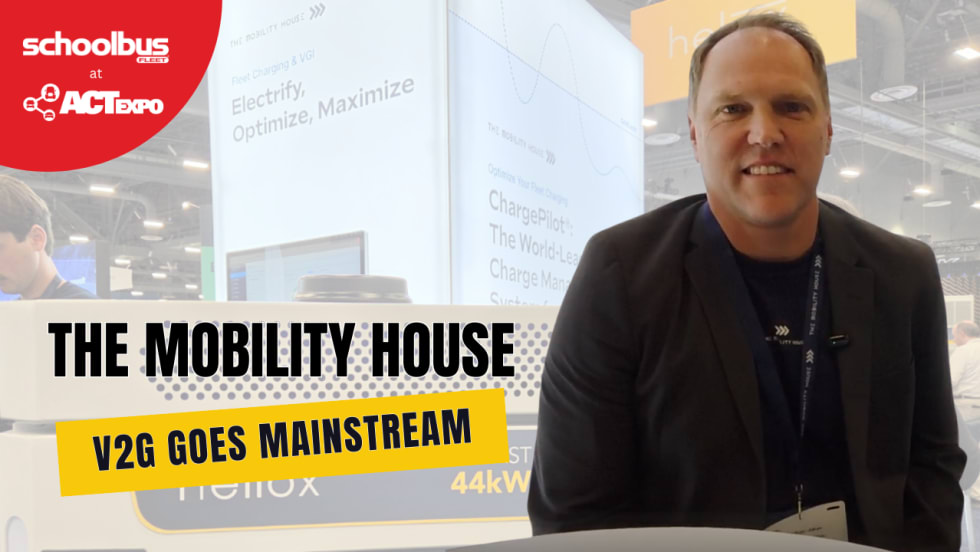
The New Era of Electric School Buses: V2G, Bidirectional Chargers & More
The Mobility House discusses AI-powered charging, vehicle-to-grid technology, smart energy management, and the next phase of school bus electrification.
Read More →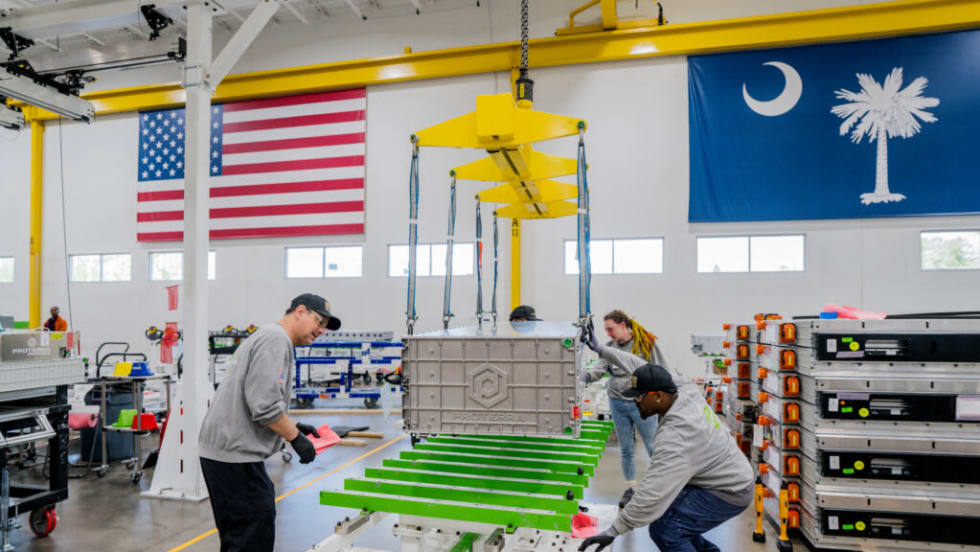
Now Made in America: Proterra Turns to U.S.-Built EV Batteries
Proterra announced a new U.S.-sourced battery cell option for its Onyx platform, boosting domestic content by more than 600% and strengthening EV supply chain resilience for commercial vehicle OEMs.
Read More →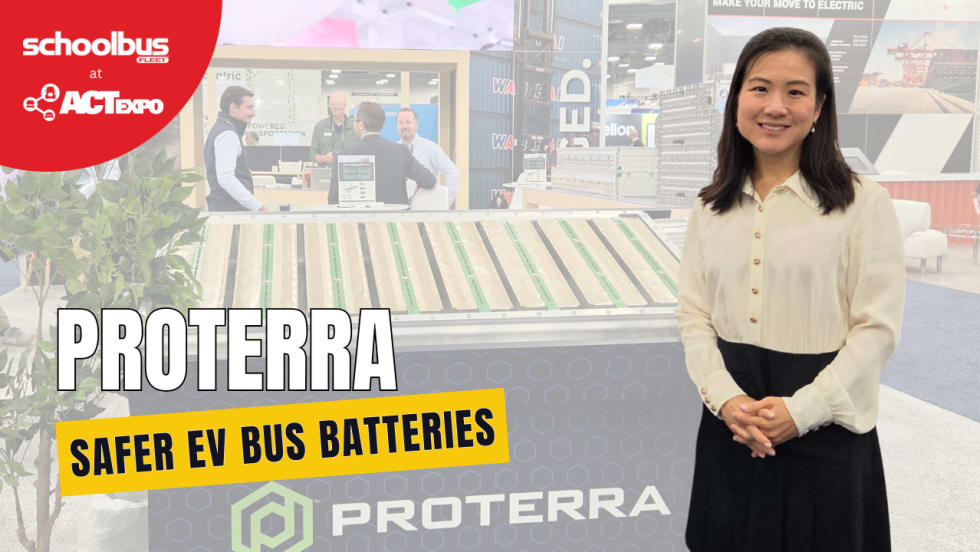
A Look at the Battery Technology Powering Electric School Buses
Check in with Proterra on next-generation EV battery technology for school buses, including safety innovations, predictive diagnostics, EPA 2027 readiness, and the future of transportation from ACT Expo.
Read More →