




New PSAs depict the dangers of stop-arm running
The School Bus Safety Co. and the Child Safety Network created the five free videos, some of which show dramatizations of fatal stop-arm running incidents. A link to the PSAs is being distributed to more than 5,000 school districts with a request to share them with local media.

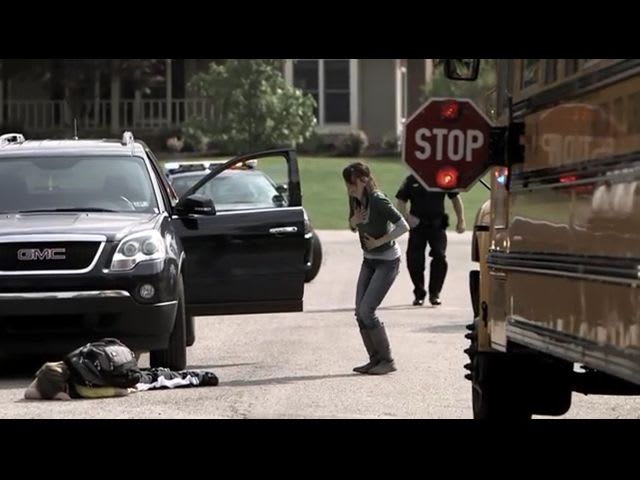
The School Bus Safety Co. and the Child Safety Network created six PSAs, some of which show dramatizations of fatal stop-arm running incidents.
A new series of public service announcements (PSAs) presents powerful messages about the dangers of illegally passing stopped school buses.
The School Bus Safety Co. and the Child Safety Network created the five free PSAs, some of which show dramatizations of fatal stop-arm running incidents.
In the latest school year on record, 2011-12, the majority of school bus loading and unloading fatalities — six of the nine total — were caused by a vehicle passing the school bus.
Jeff Cassell, president of the School Bus Safety Co., said that a link to the PSAs is being distributed to more than 5,000 school districts with a request to share them with local media. Another effort will be to try to get national TV stations to air the videos during School Bus Safety Week.
Last year, the School Bus Safety Co. launched a nationwide initiative to reduce school bus-related child fatalities from an average of 12 per year to zero. The company has now given out more than 5,000 free copies of its Danger Zones program.
Watch one of the new PSAs below. The others are available here.
More Safety
School Bus Stop-Arm Violations Decline 53% Across Verra Mobility Programs
Verra Mobility shares how school bus stop-arm cameras and school zone safety programs are changing driver behavior, reducing violations, and protecting students.
Read More →
Most Bus Crashes Aren’t Your Fault. Here’s How to Prove It.
A guide for what to do in between a school bus crash and a claim: what to preserve, who to notify, and how to keep the facts available when they matter.
Read More →
National School Bus Safety Week 2026: Tips, Toolkits & Resources to Keep Students Safe
School bus safety takes more than awareness. Explore expert tips, enforcement strategies, and free resources to help protect students on every ride.
Read More →
2 Killed, Dozens Injured in Florida School Bus Crash
A multi-vehicle collision caused a Polk County school bus carrying 37 students to overturn on its way to Winter Haven High School.
Read More →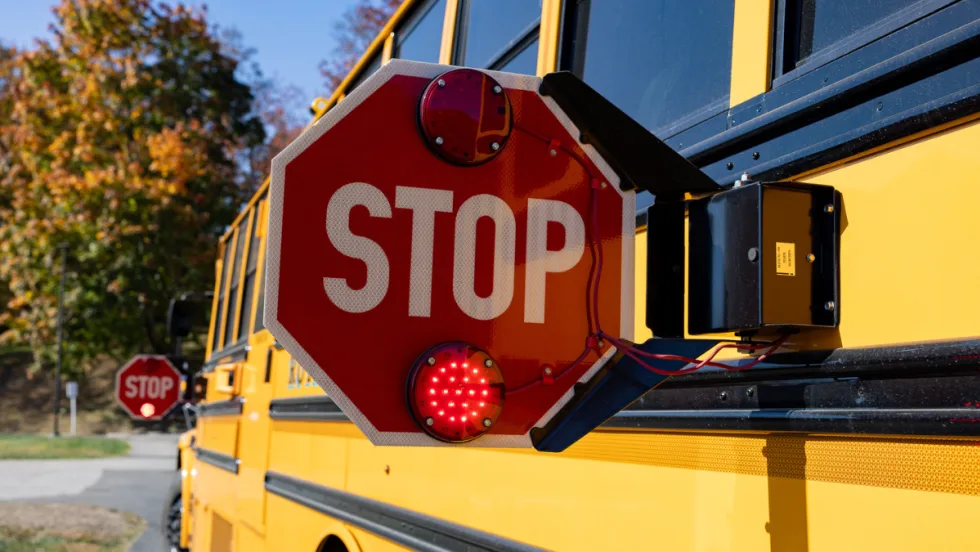
Illegal School Bus Passing Drops 24% in New York Districts
With fewer than 5% of citations involving repeat offenders, Westchester County officials said enforcement, education, and community partnerships are helping change driver behavior.
Read More →
School's Back. Here's What Happened to Traffic, Speeding & Distraction
What happens to traffic when school resumes? New data analysis examines changes in distracted driving, congestion, and speeding around schools.
Read More →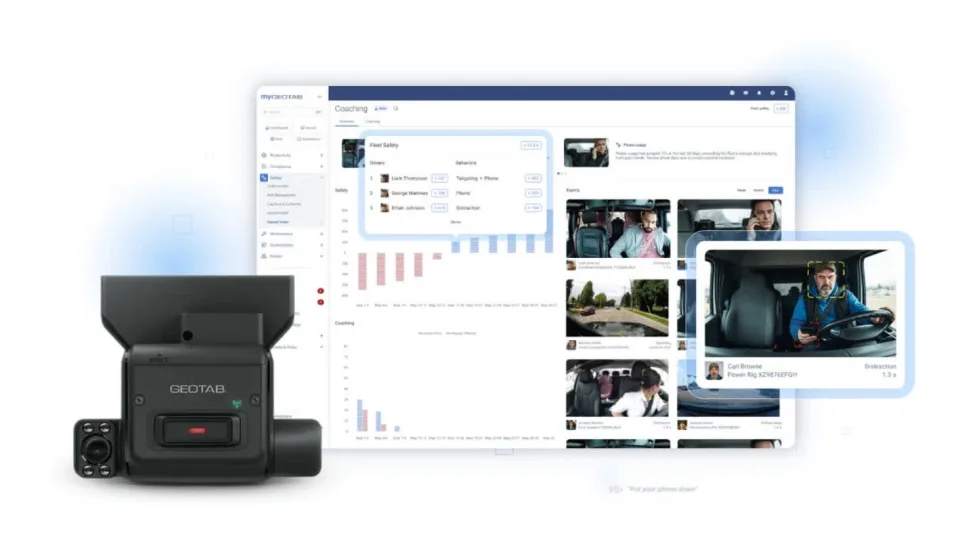
Geotab Expands Fleet Safety Tools With Video Coaching, Risk Insights
New safety and video capabilities aim to help fleet managers assess risk, support drivers, and take targeted action through video coaching, red-light violation detection, and more.
Read More →
How to Build a Better School Bus Driver Training Program
Is it time to strengthen your driver training? Here’s how to pick the right talent and improve recruitment, retention, and safety. This video is brought to you by IC Bus.
Read More →
Recent School Bus Accidents Leave 2 Dead, 2 Injured
Four school bus crashes in Florida, Illinois, and Georgia highlight risks in transportation lots, at bus stops, and during student loading and unloading.
Read More →
When Every Second Matters, Clarity Keeps Routes Moving
From routine delays to urgent incidents, strong communication practices help drivers, dispatchers, schools, and families respond with confidence.
Read More →