



Don't Forget: 6 Things to Know About the ELDT
Beginning Feb. 7, obtaining a CDL will become more detailed, and will likely take more time. Here’s what you need to know.

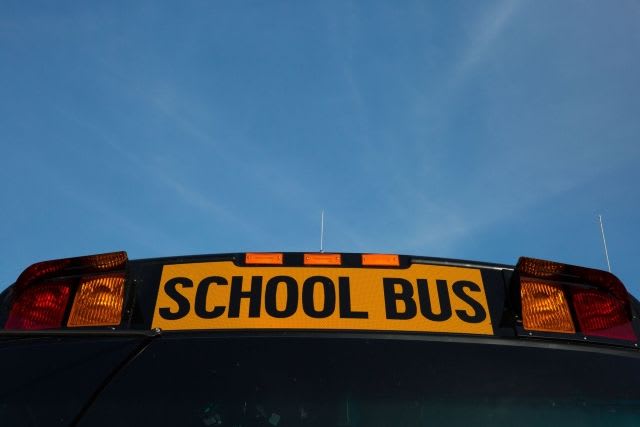
Starting Feb. 7, obtaining a CDL to operate a school bus will become more detailed.
File photo
In just a few weeks, the Federal Motor Carrier Safety Administration (FMCSA)’s Entry-Level Driver Training (ELDT) regulations are set to take effect. The regulations set minimum federal requirements for training, which entry-level drivers must complete before they are permitted to take certain Commercial Driver’s License (CDL) skills or knowledge tests on or after Feb. 7.
What Are the New Regulations?
All new school bus drivers must complete a theory and behind-the-wheel training program, achieve at least 80% on an exam on the classroom content, and demonstrate proficiency on ELDT’s behind-the-wheel skills before they take the CDL test. The training must be provided by a registered training provider.
Jeff Cassell, president of School Bus Safety Co., previously told School Bus Fleet, “These ELDT regulations set a single federal standard for commercial driver licensing. They are the biggest change in the industry in 40 years.”
Who Does This Apply To?
This law impacts drivers who are applying for their initial Class A or Class B CDL, upgrading their current CDL, or who are obtaining a hazardous materials endorsement for the first time.
Who Can I Get My Training From?
All entry-level driver training instruction must be provided by a school or entity listed on the Training Provider Registry (TPR). To be eligible for a listing, training providers must fill out a form. Currently, over 9,600 training locations are registered.
Joshua Jones with the U.S. Department of Transportation’s CDL division told SBF the department has made outreach efforts, including webinars and online advertisements, to inform trainers that they need to apply for the TPR.
Who Happens if I Complete Training with a Facility that Has Been Removed from the TPR?
Jones says any training conducted after the date of the training facility’s removal from the TPR will be considered invalid.
What Do I Do After I Have Completed My Training?
After you complete the training, you must electronically transmit your training certification through the TPR website. You must do that by midnight of the second business day after you complete your training. This will provide proof to your state’s driver licensing agency that you have completed ELDT, and are eligible for CDL or endorsement testing.
What if I Already Have My CDL?
The ELDT regulations are not retroactive. That means if you were issued a CDL or an S, P, or H endorsement prior to Feb. 7, you are not required to complete training for that CDL or endorsement. However, if you are upgrading your current CDL or obtaining a hazardous materials endorsement for the first time, as mentioned above, you are impacted.
SBFpreviously reported that Ohio had asked to be exempted from the ELDT, because training providers already must register in their state system. Jones tells us the outcome of that request is not published yet. He also says no other states have requested an exemption.
More Management

Zum Reaches 19 States With New York Expansion
The addition of the Empire State to the student transportation company's roster marks a growing expansion in the Northeast as it scales its tech and school bus services.
Read More →
First Student Updates Its Parent App
First View connects both yellow bus and alternative transportation, giving families one platform to track student trips for the new school year, with 15 languages supported.
Read More →
The Back-to-School Checklist Every Director Should Complete Before the First Bell
Help your transportation team start the school year strong with these tips for contingency planning, communication, fleet visibility, technology, and trip management.
Read More →
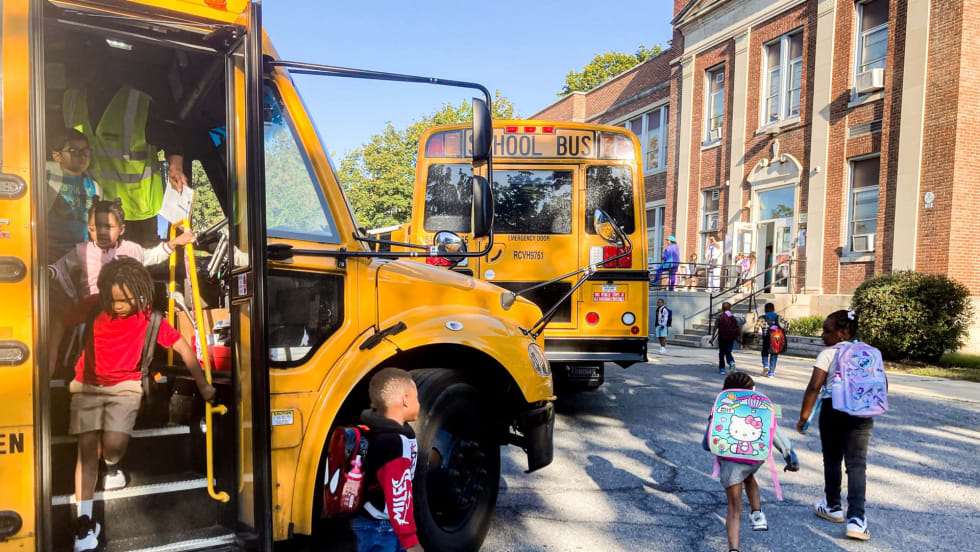
How a New York District Cut Nearly $1M in Transportation Costs While Expanding Bus Access
A data-driven overhaul with BusRight reduced Poughkeepsie City School District's planned routes from 26 to 17 while extending school bus service to about 1,200 additional students.
Read More →
Budgets Down, Enrollment Shifting: What the Data Says Districts Should Watch
School transportation departments face two converging challenges this year: tightening budgets and shifting enrollment. Most districts still address these issues separately, but the assumption that either trend will simplify operations is proving incorrect.
Read More →
These 8 School Transportation Companies Made the 2026 Inc. 5000 List
Find out which school transportation contractors, technology providers, and suppliers ranked among America’s fastest-growing private companies.
Read More →
The Link Between Emotional Intelligence and School Bus Safety
How can emotional intelligence help transportation pros navigate stress, manage change, and build stronger relationships? Listen to find out.
Read More →
What Emotional Intelligence Has to Do With School Bus Safety
In this video, discover how emotional intelligence can help transportation leaders and drivers navigate stress, manage change, and build stronger relationships. The Route is sponsored by IC Bus.
Read More →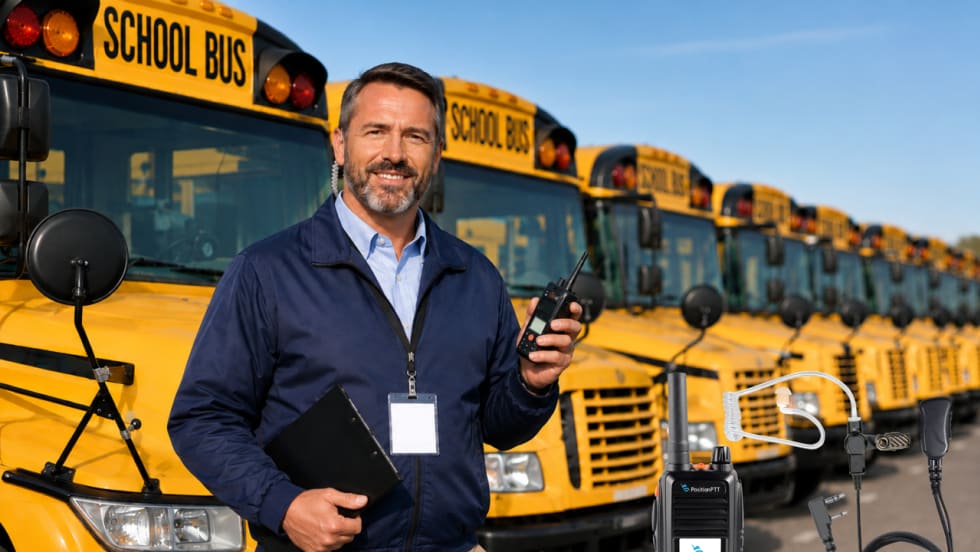
Beyond Two-Way Radios: School Bus Communications Evolve With Push-to-Talk Over Cellular
PRYME Radio and PositionPTT join forces to advance hands-free radio use and reduce distracted driving. See how PoC compares with traditional radios on range, cost, safety, and connectivity.
Read More →
Have School Districts Adapted to Bus Driver Shortages or Simply Accepted Less Service?
According to a recent report from HopSkipDrive, many districts appear to have recalibrated what "normal" transportation service looks like.
Read More →