



Related: 8 Tips for Cleaning School Buses in the Age of Coronavirus
CDC Releases Guidance for Reopening Schools, Social Distancing on School Buses
The recommendations include seating one student every other row, increased cleaning and disinfecting of buses, and drivers wearing cloth masks.

Nicole Schlosser・Former Executive Editor
2 min to read

The Centers for Disease Control and Prevention (CDC) has released guidance on how to determine whether to reopen schools amid the COVID-19 pandemic and recommended safety practices, including on school buses.
The guidance, which was updated on the agency’s website on Tuesday, includes a decision tree designed to help school officials decide whether to reopen. It addresses considerations such as whether schools are prepared to:
Be consistent with state and local orders.
Screen students and employees on arrival for COVID-19 symptoms and history of exposure. Communicate and monitor developments with local authorities, employees, and families regarding cases and exposure.
Put more health and safety practices in place such as frequent hand washing, employees wearing cloth masks, and intensifying cleaning, disinfection, and ventilation.
Encourage social distancing.
Train employees on the practices mentioned above.
Additionally, the CDC recommends in its updated safety practices for schools and the school environment measures applicable to school buses:
Cleaning and disinfecting frequently touched surfaces on school buses at least daily or between uses as much as possible.
Drivers following the same practices that the CDC recommends to bus transit operators.
Drivers wearing cloth masks and practicing frequent hand washing.
Increasing distance between students on the bus by seating one student per row in every other row of seats when possible. (See modified layouts section.)
The CDC also recommends staggering arrival and drop-off times and establishing procedures to “limit contact between cohorts and direct contact with parents as much as possible.”
More Safety
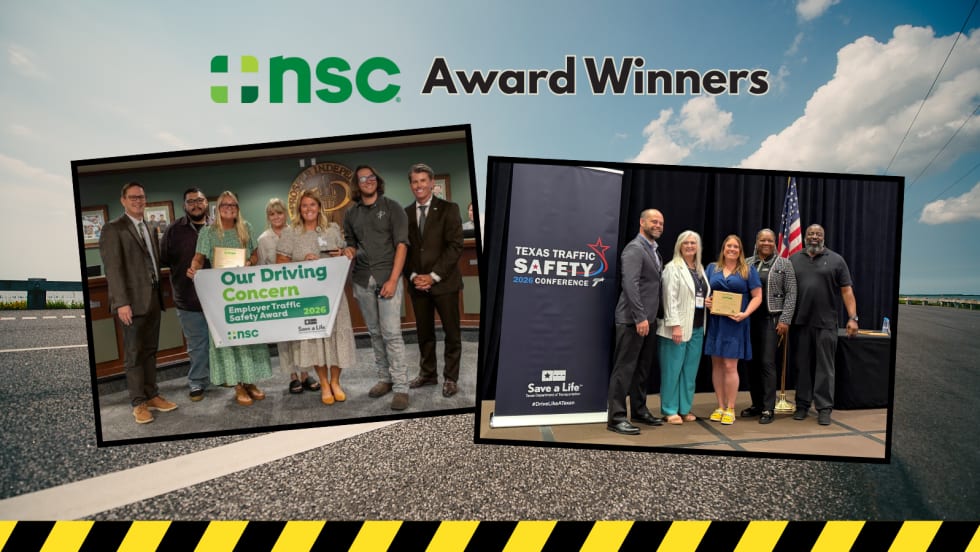
How Two Texas Districts Built Award-Winning Safety Programs
Learn how Prosper ISD and Rockwall ISD earned National Safety Council honors through hands-on training, safety culture, and strategies that reduced transportation incidents.
Read More →
NHTSA Releases 10-Year Review of Fatal School Bus Crashes
The latest federal analysis reinforces the safety of school buses while identifying where school-age pedestrians and other motorists remain most at risk.
Read More →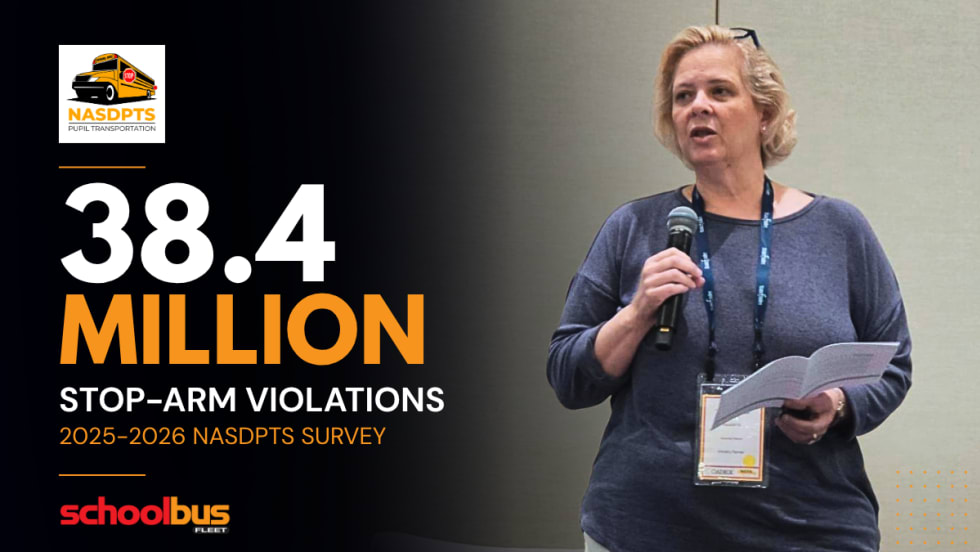
2026 NASDPTS Survey: Data Shows Further Reduction of Illegal Passing
New data is in! School bus stop-arm passings are down to 38.4 million violations per year, about a 2.3% decrease from last school year — but passings on the right side of the bus are higher than ever.
Read More →
Another School Bus Fatality Reported in Monsey, New York
A 7-year-old girl died after being struck by a school bus in Rockland County, New York while crossing the street. Here's what we know.
Read More →
NSTA Announces 2026 School Bus Driver International Safety Competition Winners
Drivers from across the U.S. and Canada showcased their safety and driving skills, with two defending champions successfully retaining their titles.
Read More →
Sponsored•June 22, 2026
The Driver Shortage Playbook
Driver shortages are still a major challenge for student transportation fleets, but the real issue has shifted. It’s no longer just about filling seats quickly. It’s about finding safe, reliable drivers who meet performance expectations and want to stay. The Driver Shortage Playbook covers why traditional recruitment tactics are falling short and how school fleets are adapting with smarter hiring, stronger retention strategies and a greater focus on driver quality.
Read More →
Pro-Vision Launches AI-Powered 360° Camera System
The new Birdseye camera delivers real-time AI-based pedestrian and vehicle detections, full visibility around the bus, and telematics integrations.
Read More →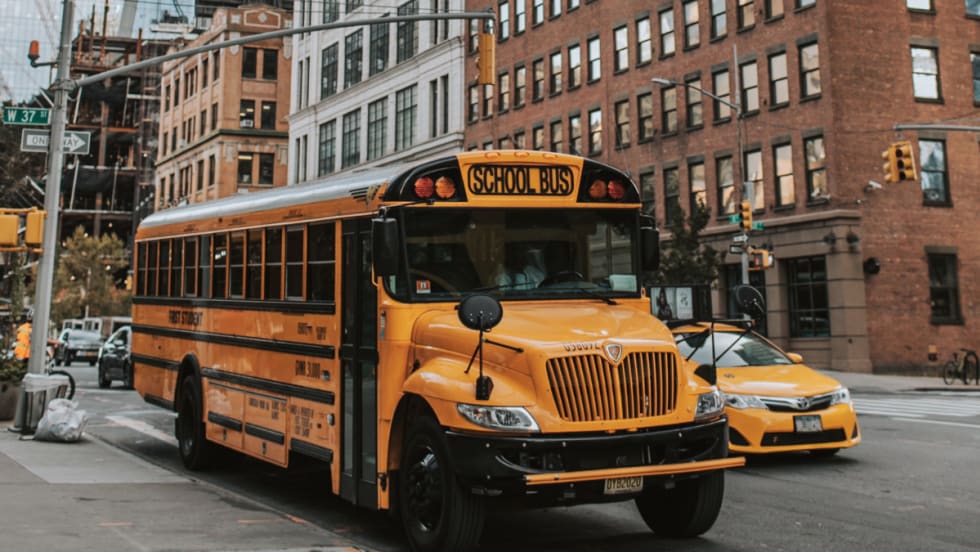
N.Y. & N.J. Coalitions Call for Modernized Transportation for Vulnerable Students
New statewide coalitions in New York and New Jersey are urging lawmakers to expand student transportation options for vulnerable students amid ongoing driver shortages.
Read More →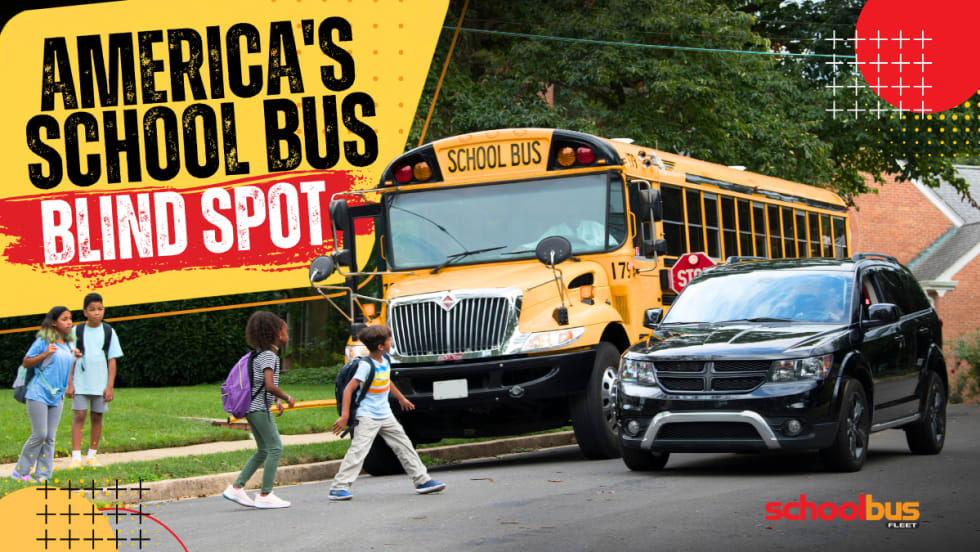
America Has a School Bus Passing Problem — and Distraction Is Making It Worse
Illegal school bus passing remains a major safety threat as distracted driving rises. This op-ed explores why awareness, enforcement, and stop-arm cameras matter more than ever.
Read More →
School Bus Laws to Watch: New York Delays EV Mandate
Plus, federal lawmakers seek new funding for school bus safety as states weigh stop-arm enforcement, disability protections, and education spending.
Read More →