




Related: 10 Keys for Contractors to Protect Business During COVID-19
COVID-19 Survey: Pupil Transporters Contend With Staffing Adjustments, Routing Concerns
Conducted by School Bus Fleet, findings include adjusting personnel duties, some downsizing due to school closures, and significantly boosted cleaning routines. Respondents anticipate major routing changes as schools reopen.

Nicole Schlosser・Former Executive Editor
5 min to read
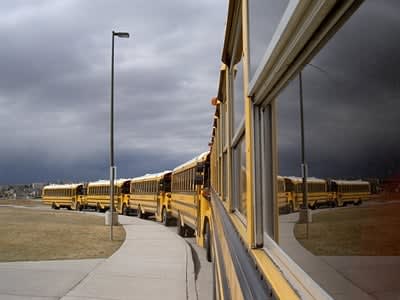
According to a recent SBF survey, pupil transporters have taken on several staffing adjustments due to the COVID-19-related school closures, boosted cleaning and protection routines, and anticipate major routing and class size changes when schools reopen. Photo courtesy John Horton
According to a recent survey conducted by School Bus Fleet, pupil transporters have taken on several staffing adjustments due to the COVID-19-related school closures, boosted cleaning and protection routines, and anticipate major routing and class size changes when schools reopen.
The survey was conducted from May 6 to May 14. Results include 255 responses from school districts and 83 responses from school bus contractors across the U.S.
New Duties, Cuts
Nearly two-thirds (62%) of school district respondents allowed employees to work remotely in some positions, nearly one-quarter cut back on training, and about one-fifth reported cutting back on shifts and hiring. Thirteen percent of school districts said that they furloughed employees, and 3% laid off staff members.
Of those districts that furloughed or laid off employees, more than half (55%) laid off or furloughed 76% to 99% of staff members. Almost one-fifth (18%) furloughed or laid off all personnel. Three percent laid off half to three-quarters of their workforce.
More specifically, 42% of those respondents furloughed all their drivers, while more than one-third (37%) gave them other tasks. In particular, the furloughs and layoffs were spurred by nearly half of those district respondents (43%) suspending operations temporarily, and about one-third (32%) operating at reduced capacity.
Among contractors, nearly half reported having to furlough or lay off personnel. In more than half of those cases, between three-quarters and nearly all staff were let go either temporarily or permanently.
However, as has been widely reported, some respondents reported being able to keep some drivers on board to take on different required tasks dictated by the pandemic. Those include, at nearly half of responding districts, delivering meals (53%) and cleaning vehicles and facilities (40%). At nearly 30% of districts, drivers are delivering educational materials, and a bit more than one-quarter (26%) have drivers working on training.
Other tasks drivers are now completing at work include sewing face masks, providing online support to students, and landscaping and facility repairs.
Getting Paid Still a Hurdle for Contractors
Despite language in recent legislation such as the Coronavirus Aid, Relief, and Economic Security (CARES) Act and in statelaws that urges districts to work with contractors on payments, some contractors are still reporting that getting compensated is a challenge.
Sixty percent of district respondents said they are paying district employees but not contracted employees. Close to one-third (29%) of districts reported that they are paying contracted and district employees. Six percent reported not paying any employees.
Reasons given by districts for not paying contracted employees who are not working during the school closures included lawyers advising them not to; services not rendered; budget concerns; needing more guidance on state reimbursement; the challenge of convincing the school board and community that the payments should be made; and that payment is not required during a state of emergency.
Contractors reported about a three-way split on district payment status during the pandemic: 34% are not being paid; 32% are getting payment from all school district contracts, and 30% reported some districts still compensating them. (Four percent were not sure.)
Reasons for nonpayment that contractors cited receiving from school districts fell in line with what districts reported.
More than one-third of contractors (35%) said their revenue declined 100% since the pandemic and about 15% reported losing 75% to 99% of their revenue.
Aside from layoffs and furloughs, in response to revenue decline, more than half of contractors are delaying vehicle purchases (59%) and about half are cutting back on training and hiring. Nearly half have reported taking vehicles in their fleet off the insurance policy to reduce expenses.
The consequences have been dire for many contractors; more than half of those respondents (54%) said that all their business is pupil transportation. About three-quarters (74%) reported that their business is temporarily suspended. Just about one-quarter (22%) are still in operation. However, 2% said their business is permanently closed.
Ramped-Up Cleaning Practices, PPE Provided
To protect the health of their employees, about three-quarters of all respondents (districts and contractors) have provided cleaning solutions and gloves and encouraged social distancing.
About two-thirds have provided masks and are increasing the frequency of cleaning and disinfecting of vehicles and facilities. More than half said they are following CDC recommendations, cleaning facilities more thoroughly, and implementing vehicle sanitization protocol.
Nearly three-quarters are cleaning with a stronger disinfectant designed to kill Coronavirus (70%); just about one-third (31%) are fogging buses with a microbial cleaner.
Meanwhile, 14% are taking temperatures of drivers and other employees.
Routing, Class Size Changes Expected
When asked about measures that should be put in place before schools reopen, nearly half of respondents (44%) cited routes with fewer students aboard to accommodate social distancing.
More than one-third pointed to altering class sizes and schedules and staggering bell times for social distancing and having fewer extracurricular activities and field trips.
More than a quarter (29%) cited taking employee temperatures before they start work, and 20% said the same of taking students’ temperatures before they board the bus.
One-quarter cited diminished use of buses to get students to and from extracurricular activities and field trips. Slightly less than one-quarter of respondents predict more downtime for buses as more stringent cleaning and disinfecting practices are followed.
Nearly one-fifth (17%) said that the school year will likely need to be extended.
Thirteen percent reported that structural changes to the bus, such as removing seats and/or installing a barrier or screen between the driver and students, will be necessary.
More Management

How to Build a Better Driver Training Program
Ready to boost up your school bus instructor training? Here’s how to pick the right talent and improve recruitment, retention, and safety.
Read More →
CALSTART and Forth Combine to Form Catalyst Mobility
The new name represents a renewed vision for the nonprofit focused on advancing clean, equitable, and affordable transportation solutions that move people and goods.
Read More →
What Makes a Great School Bus Driver Trainer?
Choosing the right school bus driver trainer takes more than experience. Learn six keys to selecting and developing trainers and evaluating program effectiveness.
Read More →


School Bus Contractors Expand Through New Deals, Acquisitions & Partnerships
STA's Canadian division acquires Ontario-based G&L Stevenson Transport while Durham School Services adds a new district contract in California, First Student adds a New Jersey contract, and Minnesota Coaches acquires Halo Transportation.
Read More →
Logan Bus Company Rolls Out AI Phone System for NYC School Bus Families
A summer pilot found that AI agents could handle most routine calls, freeing up time for customer service staff to focus on emergencies and complex family concerns.
Read More →
From Intent to Impact: What I Learned About Leadership from TAPT
A Texas transportation supervisor shares lessons on self-awareness, accountability, managing stress and building trust — and why investing in leadership development matters at every stage of your career.
Read More →
NAPT Names 2026 Award Recipients, Hall of Fame Inductee
Who earned national recognition for their work in student transportation? This year, NAPT named five recipients of its 2026 awards for service, safety, and leadership, plus its newest Hall of Famer.
Read More →
Sponsored•September 2, 2026
2026 State of Student Transportation Report
Driver shortages. Rising costs. Growing safety expectations. More data, but not enough time to act on it. The 2026 State of Student Transportation Report reveals what transportation leaders say is putting the most pressure on their operations—and where they’re investing next. See how your priorities compare.
Read More →
How to De-Escalate an Angry Person: 5 Steps for Handling Workplace Conflict
What makes emotions run high, and how should you handle an angry colleague or parent? Follow these steps for staying calm, listening, showing empathy, and resolving conflict.
Read More →
Sponsored•September 1, 2026
What Readiness Looks Like This School Year
Learn about the challenges shaping the 2026–2027 school year, from persistent driver shortages and budget pressure to technology and readiness gaps. See how school districts are responding and adapting in Zonar’s 2026 Back-to-School Readiness Report.
Read More →